
Envelopes
Printed outer and reply envelopes for letter packages: window or closed-face, in black or full color, addressed to the person and built to run through the inserter.
At a glance
Coating / finish None / Uncoated
Mailing adds about $0.438 per piece on letter-size pieces; about $0.833 per piece on flat-size pieces (mailing services + postage). See the breakdown
Printed #9, #10, 6 x 9, 9 x 12 and 10 x 13 envelopes, with or without windows, for letter packages and larger mailings.
Envelope conversion and inline addressing print quickly; add time when the envelope feeds an inserting run. See turnaround times.
Price and order
Choose each option in turn, then a quantity. The price shows before you add to cart. No account needed.
Sizes #9, #10, #10 Window, #10 Non-Window, #10 Double Window, 6x9, 9x12, 10x13, Custom
Stock Envelope, Envelope Stock
Sides 1/0 Black Front Only, 4/0 Full Color Front Only, 4/4 Full Color Both Sides
Mailing Mails as a USPS mailpiece
Start over Prices from Plavidian's current price guide. A proof is emailed before anything prints. At checkout you say how to reach you and whether to ship or hold for pickup; the order is invoiced and paid before production.
Need a size or stock not listed? Get a custom quote. No artwork yet? Design it online and send it straight into the order. Already a Plavidian customer? Price it in your account.
About envelopes
The envelope is the one part of a mailing the recipient touches first, and it does two jobs before the letter is ever read: it carries the contents and it earns the open. That makes it both a production component (the shell an inserter has to feed and seal) and a marketing surface in its own right. Plavidian prints both the outer envelope that fronts a letter package and the reply envelope that travels inside it, from a plain #10 with a printed indicia to a full-color, personalized outer with teaser copy across the face.
Window or closed-face is the first decision, and it is really a decision about how the piece gets addressed. A window envelope lets the letter's own printed address show through, so the name on the letter is the name USPS reads, with no separate addressing pass and no risk of the wrong letter behind the right window. A #10 is the standard, offered as a single-window, non-window, or double-window version for letters, notices, and statements; a #9 is its companion reply envelope, sized to drop back inside a #10; and 6x9, 9x12, and 10x13 step up for heavier or unfolded contents. Closed-face envelopes get addressed and matched by hand instead, which is the right call when the design wants an unbroken face.
Printing runs the way the envelope will be used. A 1/0 black front handles a clean corporate look and a printed indicia at the lowest cost; 4/0 full color carries an offer or a cause across the whole front; and 4/4 prints both sides when the back flap carries a message too. Envelopes convert on uncoated envelope stock built to take toner and ink without cracking at the folds and to stay readable under the address and barcode. Variable data personalizes the face (the recipient's name in the teaser, a version by segment, a sequence number for tracking) in the same pass that addresses it.
Most outer envelopes exist to be filled, so we build them to feed. Window placement is held to the position the inserted letter folds to, flap style and seal are chosen for the inserting line, and the barcode clear zone stays empty so nothing the press adds fights the barcode USPS sprays. When the envelope is part of a letter package, it moves straight from conversion into inserting: personalized letters go into window envelopes so the address prints on the letter itself, multipage personalized letters are matched by a computer-controlled inserter that checks the pages match, and personalized letters going into closed-face envelopes are matched by hand. The reply envelope collates into that same pass, so the ask and the way to respond travel together.
How an envelope mails is decided before it is designed, so we price it that way. First-Class buys speed, forwarding, and returns; Marketing Mail buys price at volume. We CASS-standardize the list (NCOA updating is an option), presort and optimize postage, address and insert, then enter the mailing Full-Service for automation pricing and end-to-end tracking, and we quote both classes from your real list before anything is committed.
How envelopes mail
An outer envelope's size, thickness, and flexibility decide the mail class before anything inside is read. A #9, #10, or 6x9 travels as a letter and earns letter automation rates as long as it stays inside the USPS machinable envelope: roughly 3.5 to 6.125 inches tall, 5 to 11.5 inches long, under a quarter inch thick, and within the 1.3-to-2.5 aspect ratio that lets the piece feed and face on automation equipment; step outside that box, or make it too rigid or too square, and a non-machinable surcharge follows. A 9x12 or 10x13 carries full-size documents unfolded and crosses into flats pricing. Window envelopes let the letter inside address itself, so the recipient line printed on the letter is the line USPS reads, with no second addressing pass and no name-to-window mismatch, while double-window styles expose both the recipient and a return or remittance line for statements and invoices. The address side needs a clean barcode clear zone in the lower right and an indicia, meter, or stamp in the upper right; the reply piece rides inside as a #9 business reply envelope that carries the permit rather than sender postage, so the recipient mails it back at no cost to them. We enter the mailing Full-Service so it earns automation pricing and feeds tracking, and we quote the letter-versus-flat and First-Class-versus-Marketing-Mail trades from your actual list instead of a rule of thumb.
How the mailing gets ordered
- Send the specs and your list. Size, quantity and the dates are enough to start; artwork and a mailing list can ride along with the request.
- You get a priced Print and Mail job back. Printing, mailing services and postage are quoted together, usually within one business day.
- Your list goes into the mailing analysis. The full address and postage pass runs on the list before anything is committed.
- Nothing mails until you have signed off on the mailing. Mail class, permit, postage and the mailing date are confirmed with you first, and a proof is approved before it prints.
- One job, one invoice. Mailing services and postage are billed on the same job as the printing.
- Printing is paid by card; postage by check or wire. Only the printing can go on a card. USPS postage is paid by check or wire transfer, and no mail is released to USPS until the full postage has been received in cleared funds.
See Price & Order Check the mailpiece templates Estimate postage free
What the mailing adds
On top of the printing price, per piece. Both figures are read live from Plavidian's own price sheet and from the USPS rate notice loaded in our system.
| Piece | Mailing services | Postage | Adds |
|---|---|---|---|
| Letter-size pieces#9, #10, #10 Window, #10 Non-Window, #10 Double Window, 6x9 | $0.043$42.50 per 1,000 | $0.395Automation 5-Digit | $0.438 |
| Flat-size pieces9x12, 10x13 | $0.050$50.00 per 1,000 | $0.783Automation 5-Digit | $0.833 |
- Mailing services cover list and mail prep, the postal paperwork, tray, sack and pallet prep, and addressing every piece. Priced separately on the same sheet: NCOA, tabbing, and folding and inserting. Plavidian Insight™ piece tracking comes with every mailing.
- Per job there is a $25.00 mailing job setup, and mailing services carry a $175.00 job minimum, so a short run pays the minimum rather than the per-piece rate.
- Postage is USPS Marketing Mail at the commercial rate, entered at origin rather than drop-shipped, from USPS Notice 123 effective July 12, 2026.
- It can be less. On a letter-size piece: A qualifying nonprofit pays $0.185. Trucking the mail to the destination facility instead of entering it here brings it to $0.374 (a drop-ship charge applies). Saturating whole carrier routes goes as low as $0.255.
Indicative, not a quote. What a mailing really earns depends on the list, how densely it sorts and where it is entered, which is why Plavidian prices the postage against your actual list and confirms it with you before anything mails.
Common uses for envelopes
Letter-package outers
The #10 or 6x9 that fronts a fundraising appeal, renewal, or notice, window or closed-face, built to feed the inserter; a closed-face outer is matched to its letter by hand.
Business reply envelopes
A #9 BRE that rides inside the outer and carries the permit, not sender postage, so a donor or customer can mail the gift or payment back for free.
Statement & invoice envelopes
Double-window #10s that show the recipient address and a return or remittance line together, so account mail addresses itself and never exposes the wrong record.
Branded teaser outers
Full-color 4/0 or 4/4 envelopes that argue the offer on the outside (teaser copy, imagery, and a personalized name) to lift the open before anything is unfolded.
Everyday business mail
Plain #10s with a printed return address and indicia for correspondence, remittances, and day-to-day mailings run at the lowest single-color cost.
Before you order
- Sizes run #9, #10, #10 Window, #10 Non-Window, #10 Double Window, 6x9, 9x12, and 10x13, plus custom trims
- #9 is the reply envelope sized to drop back inside a #10; the double-window style suits statements that show a recipient and a remittance line
- Converts on uncoated envelope stock (Envelope and Envelope Stock) built to take ink and fold without cracking; no coating
- Print options are 1/0 black front only, 4/0 full color front only, or 4/4 full color on both sides
- #10 and 6x9 mail as letters at automation rates when machinable; 9x12 and 10x13 cross into flats pricing
- Window envelopes address the letter itself: no second addressing pass and no name-to-window mismatch
- Keep the lower-right barcode clear zone and the upper-right postage corner clean; both are checked in preflight
- Variable data personalizes the face and versions by segment in the same pass that addresses it
Why this is not the cheapest price you will find
Every job goes through the same checks, however small it is. We are a USPS Full-Service certified mail service provider, and the judgment that comes with that is applied to a 500-piece order the same way it is to a 500,000-piece one.
- Your artwork is checked before it prints. Size, bleed, resolution, color space, and on a mailpiece the address and barcode clearances that decide the postage rate.
- A proof is emailed and nothing prints until you approve it. No job goes to press on an assumption.
- If it mails, the postage is planned, not discovered. Piece shape, list quality, presort and entry point are what set that bill, and they are decided before anything is printed.
Envelopes FAQs
Window or non-window: which should I use?
A window envelope lets the letter's own printed address show through, so the name printed on the letter is the name USPS reads, with no second addressing pass and no name-to-window mismatch. Non-window (closed-face) envelopes get addressed and matched by hand instead, which is the right call when the design wants an unbroken face. Double-window styles show a recipient and a remittance line together for statements.
Which envelope size fits my mailing?
A #10 holds a tri-folded 8.5x11 letter and is the standard for correspondence and appeals; a 6x9 takes half-folded or heavier contents; and 9x12 or 10x13 carry full-size documents unfolded. Size drives the postage class (#10 and 6x9 mail as letters while 9x12 and 10x13 mail as flats), so we match the envelope to the fold and the rate you are after.
Does the reply envelope need postage from us?
No. A #9 business reply envelope carries a BRE permit, so the recipient mails it back with no postage of their own and postage is billed only on the pieces actually returned. We build the reply envelope to drop back inside the #10 outer and collate it into the same inserting pass as the letter.
Can envelopes be full color and personalized?
Yes. Print options are 1/0 black front only, 4/0 full color front, or 4/4 full color on both sides, and variable data can personalize the face (the recipient's name, a version by segment, a tracking number) in the same pass that addresses it.
Why does a 9x12 cost more to mail than a #10?
A 9x12 or 10x13 exceeds the size limits for a letter, so it mails as a flat, and flats price higher than letters. A #10 or 6x9 stays within the machinable-letter envelope and earns letter automation rates. We price the letter-versus-flat trade from your actual list so the difference is a number, not a guess.
Do you insert and address the envelopes too?
Yes. Printed envelopes move straight into inserting, and the reply envelope collates into the same pass. Window envelopes let the letter address itself; multipage personalized letters are matched by a computer-controlled inserter that checks the pages match; closed-face envelopes are addressed and matched by hand. We CASS-standardize the list, presort, and enter the mailing Full-Service for automation pricing and tracking.
Often ordered together
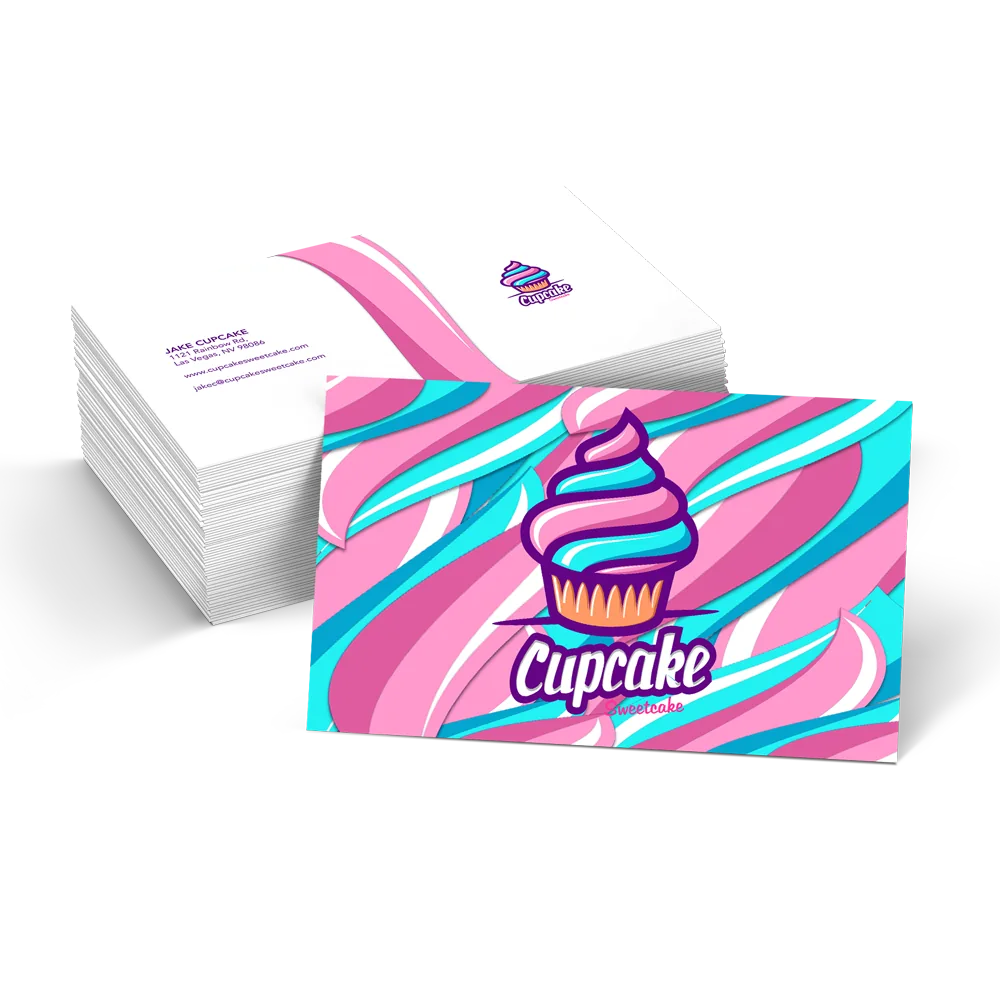 Business CardsStandard 3.5 x 2 inch cards on heavy cover stock, printed on one or both sides.
Ready to print?
Configure your envelopes, see the price and order online. Card payment, proof by email, no account needed.
See Price & OrderNo artwork yet?
Lay it out in Plavidian Studio™ in your browser at the right size and bleed, then send it straight into the order.
Design OnlineNeed something different?
A size or stock that is not listed, unusual finishing, or a mailing program that needs planning? Send the specs and a person will price it.
Request a Custom Quote